


The Fundamental Motivations Behind Gambling
The motivations for gambling are deeply rooted in human psychology, stemming from our innate desire for reward and excitement. Many individuals gamble in pursuit of thrills, seeking the adrenaline rush that often accompanies the uncertainty of winning or losing. This thrill-seeking behavior is not limited to traditional betting environments; it is equally palpable in online gambling platforms, especially at casino non gamstop where players enjoy various games. The unpredictability of the outcome stimulates the brain’s reward centers, releasing dopamine and reinforcing the behavior.
Furthermore, social factors play a significant role in the motivations behind gambling. Gamblers often engage in the activity as a form of socialization, bonding with friends and family or participating in community events. This social context can influence individuals to gamble not just for personal gain but as part of a shared experience. The interactions involved can enhance feelings of belonging, which further drives the desire to participate in gambling activities.
Another critical motivation is the pursuit of financial gain. Many individuals are drawn into gambling with the allure of winning significant amounts of money, appealing to the possibility of changing their lives overnight. This hope can lead to the overestimation of one’s chances of winning, a cognitive bias known as the gambler’s fallacy. As individuals often remember their wins more vividly than their losses, they tend to miscalculate the risks, fueling their gambling behavior.
The Role of Cognitive Biases in Gambling
Cognitive biases profoundly influence gambling behavior, altering how individuals perceive risks and rewards. One common bias is the illusion of control, where gamblers believe they have more influence over the outcome of games than they actually do. This belief can lead to persistent gambling, as individuals think they can “work” their luck through skill or strategy, even in games of pure chance.
Another significant cognitive distortion is the availability heuristic, where gamblers remember vivid or dramatic wins more than the numerous losses that preceded them. This bias can skew an individual’s understanding of their actual winning probability, reinforcing the misconception that they are more successful than they truly are. This cognitive framework often traps individuals into a cycle of continued gambling, as they cling to the memory of past victories.
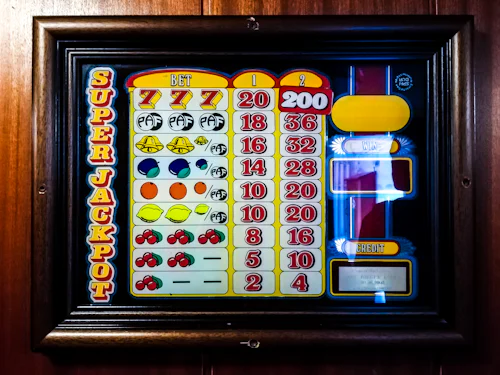
Finally, the concept of near misses has a powerful psychological effect on gamblers. When individuals come close to winning—such as landing on a nearly winning number or card—they are often motivated to play again, driven by the belief that they are on the verge of a win. This psychological trick serves to keep gamblers engaged longer than they may have intended, as they chase the fleeting sensation of being “so close” to winning.
The Impact of Emotional States on Gambling Behavior
Emotions significantly impact gambling behavior, affecting both the decisions individuals make and their perceptions of risk. For instance, individuals who are feeling stressed or anxious may turn to gambling as a means of escapism. This behavior creates a cycle where gambling serves as a temporary relief, yet often exacerbates the initial emotional issues, leading to further gambling in an attempt to escape.
Conversely, positive emotions can also drive gambling behavior. Celebrations or moments of high energy can lead individuals to engage in gambling activities, believing they will experience added excitement. This combination of emotions can create an addictively pleasurable experience, where the highs of winning combine with the social joy of celebration, thus motivating continued engagement in gambling habits.
The relationship between mood and gambling can become particularly concerning when individuals rely on gambling as a means to mitigate negative emotions. This can lead to a pattern of problematic gambling behavior, where individuals seek the adrenaline of gambling not just for entertainment but as an emotional crutch. Recognizing this connection is essential for understanding why some individuals become compulsive gamblers while others can gamble recreationally.
Preventive Measures and Responsible Gambling
Understanding gambling behavior has led to the development of various preventive measures aimed at promoting responsible gambling. One approach is awareness campaigns that educate individuals about the risks of gambling and highlight the importance of knowing one’s limits. These initiatives often stress that gambling should be seen as a form of entertainment rather than a way to make money, aiming to recalibrate expectations and reduce the likelihood of problem gambling.

Additionally, many organizations encourage the implementation of self-exclusion programs that allow individuals to voluntarily restrict their access to gambling venues and online platforms. These programs can serve as an effective tool for those who recognize that their gambling behavior is becoming problematic. Creating barriers to gambling can help individuals focus on other aspects of their lives, reducing the risk of developing a gambling addiction.
Lastly, fostering open discussions about gambling can reduce stigma and help individuals feel comfortable seeking help. Many support groups and counseling services encourage individuals to share their experiences, providing a sense of community and understanding. By creating an environment where individuals can talk about their struggles with gambling, it can empower them to take actionable steps toward recovery and responsible gambling practices.
Exploring Resources and Support Systems
Educating oneself about the psychology of gambling is an essential first step in recognizing and understanding gambling behavior. There are numerous resources available for individuals seeking to learn more about this complex topic. Books, articles, and online forums provide valuable insights and foster a deeper understanding of how psychological factors interplay with gambling habits. By becoming informed, individuals can better navigate the gambling landscape and make more mindful choices.
Moreover, various support systems exist that cater to both gamblers and their loved ones. Hotlines, support groups, and therapy services dedicated to gambling addiction offer a lifeline for those struggling with their gambling behavior. These resources not only provide support but also empower individuals to make informed choices to enhance their mental well-being and lifestyle.
Overall, understanding the psychology behind gambling behavior is crucial for both prevention and recovery. As more individuals become aware of the psychological influences that drive gambling, they are better equipped to engage in responsible gambling practices. Staying informed can help maintain a healthy balance and enjoy gambling as a form of entertainment rather than a detrimental influence in life.

A set of computer science activities dedicatedto the process of creating, designing, deploying and supporting software.