


The thrill of chance
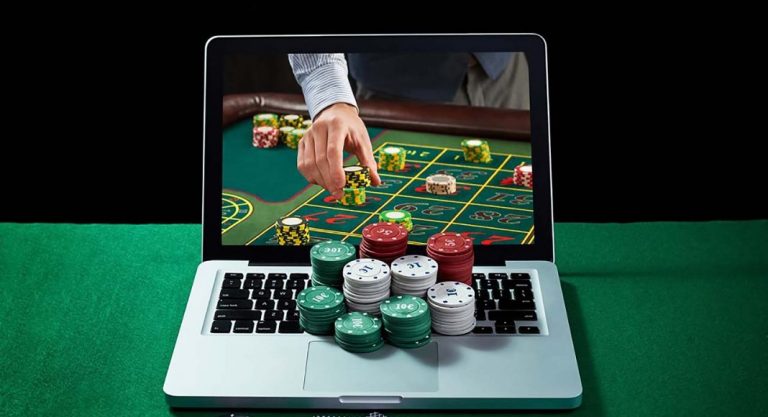
The excitement of gambling is deeply rooted in the allure of chance. People are naturally drawn to the unpredictability that comes with betting, as it creates a sense of thrill and anticipation. This phenomenon appeals to our basic psychology, as humans often seek experiences that provoke emotional responses. When players explore the best online casinos , they experience a surge of adrenaline that can be both exhilarating and addictive. The thrill of potentially winning can overshadow the risks involved, leading individuals to engage repeatedly in gambling activities.
Moreover, the anticipation of a big win can create a powerful motivating force. Each spin of the wheel or roll of the dice represents a moment of uncertainty, and that unpredictability fuels excitement. The prospect of winning a substantial amount of money, even if it’s a long shot, can keep players coming back for more. This dynamic illustrates how our brains are hardwired to chase rewards, a trait that can sometimes lead to compulsive gambling behavior.
On a psychological level, the thrill of taking risks at casinos can fulfill a desire for escapism. Many individuals turn to gambling as a means of temporarily escaping their day-to-day realities. The immersive ambiance of casinos, with their bright lights and engaging sounds, creates an environment that allows players to lose themselves in the moment, often resulting in longer playing sessions. This blend of excitement and escape is a compelling reason why so many people are drawn to the gambling experience.
The role of social interaction
Social interaction is another integral aspect of the gambling experience that enhances its appeal. Casinos often serve as gathering places where people come together to share in the excitement of gaming. The communal atmosphere fosters a sense of belonging, and players often form connections with fellow gamblers, creating a social bond that can be difficult to replicate in other environments. This interaction can make the gambling experience feel more enjoyable and rewarding, further motivating individuals to partake in such activities.
Additionally, the presence of others can amplify the excitement and tension associated with gambling. Whether it is cheering for a friend during a game or sharing in the collective disappointment of loss, the emotional highs and lows of gambling can be intensified by the company of others. This communal experience can create lasting memories, reinforcing the notion that gambling is not just about winning or losing, but also about the shared moments that come with it.
Furthermore, the psychological effects of social interaction can contribute to the phenomenon known as “peer pressure.” In a casino, a player may feel compelled to gamble more or take riskier bets due to the influence of those around them. This can lead to a sense of competition, where individuals strive to outdo one another, further entrapping them in the cycle of gambling. Understanding the role social dynamics play in gambling is crucial for recognizing why many people are drawn to casinos and continue to return, even after experiencing losses.
Cognitive biases and misconceptions
Humans are inherently prone to cognitive biases, a fact that plays a significant role in the gambling arena. One common misconception is the belief in the “gambler’s fallacy,” where individuals assume that past events will influence future outcomes. For instance, a player may believe that if a certain number has not come up in a while, it is due to appear soon, prompting them to place larger bets in hopes of recouping their losses. Such misconceptions can lead players to make irrational decisions, ultimately boosting their engagement in gambling.
Another significant cognitive bias is the illusion of control, where gamblers overestimate their ability to influence random events. Many players believe that they can outsmart the game through strategies or patterns, leading them to feel more confident than they should in their chances of winning. This cognitive distortion can encourage players to gamble more frequently, as they feel empowered by their perceived control, further entrenching them in the gambling experience.
These biases, combined with the design of casino games that often exploit them, can create an environment where players feel increasingly compelled to participate. The promise of a win can cloud judgment, leading to an overestimation of one’s chances and amplifying the desire to keep playing. Awareness of these cognitive biases is essential for understanding the psychological dynamics at play in gambling and why so many individuals are drawn to casinos, despite potential risks.
The impact of rewards and reinforcement
The psychology of gambling is heavily influenced by concepts of reward and reinforcement. Casinos are adept at creating systems that reward players, whether through jackpots, comp points, or complimentary services. These incentives trigger the brain’s reward system, releasing dopamine, a neurotransmitter associated with pleasure. The anticipation of these rewards can create a compulsion to play, as the brain learns to associate gambling with the potential for pleasure and success.
The intermittent reward schedule found in gambling also plays a critical role. Unlike many other forms of entertainment, where outcomes are predictable, the sporadic nature of wins in gambling can create a strong reinforcement loop. This unpredictability keeps players engaged, as they continue to seek out that next high associated with a win. The brain essentially becomes conditioned to expect rewards, reinforcing the cycle of gambling behavior and making it difficult for individuals to walk away, even when they are losing.
Furthermore, the emotional rollercoaster experienced during gambling adds another layer to the reinforcement effect. The highs of winning can be exhilarating, while the lows of losing can be crushing. However, many players will chase the emotional high of a win, often rationalizing their continued play despite losses. This emotional involvement can lead to a strong psychological attachment to the gambling experience, making it challenging to break away from the cycle of play. Understanding the role of rewards and reinforcement in gambling psychology is essential for grasping why individuals find themselves drawn to casinos.
Exploring responsible gaming resources
As the allure of casinos and the psychology of gambling continue to attract individuals, it is vital to prioritize responsible gaming practices. Many casinos and online gambling platforms offer resources aimed at educating players about responsible gambling behaviors. These resources often include information on setting limits for spending, understanding the signs of problem gambling, and techniques to gamble safely. By promoting responsible gaming, the negative impact of gambling can be mitigated, allowing individuals to enjoy the experience without falling into harmful habits.
Moreover, awareness programs have been developed to help individuals recognize when their gambling may be becoming problematic. These initiatives often provide support and guidance for those who may find themselves struggling with addiction. Encouraging players to self-assess their gambling habits can empower them to make informed decisions about their behavior, ultimately enhancing their gaming experience while prioritizing their well-being.
Ultimately, responsible gaming initiatives serve as a reminder that while gambling can be an entertaining pastime, it should always be approached with caution. By fostering an environment that emphasizes education, support, and accountability, both players and casinos can work towards creating a safer gambling atmosphere. Understanding and utilizing available resources is crucial for anyone looking to enjoy the thrill of gambling while minimizing risks.

A set of computer science activities dedicatedto the process of creating, designing, deploying and supporting software.